 Grip Styles Explained
  All Mice





Tech Explained


A lot of people think that a mouse pad is a pretty simple thing - you put your mouse on top of it and let it rip. Well, it might look that way on the surface (pun intended), but there’s actually a lot of science, technology and specialist material that goes into making one that’s great for gaming.
The surface...
Control
Offers greater control via the texture resulting in less wear on mouse feet. Ideal for gamers with lower sensitivity.
vs.
Speed
Ultra-smooth tracking surface providing accuracy with very little friction. Targetted for high-sensitivity gaming.
Surfaces / Design / Connectivity
Surfaces
Cloth
Cloth surfaces are designed to be smooth, consistent and as durable as possible. They are popular among gamers due to their low friction and high accuracy.
Hybrid
Looks to provide the best of both worlds; Combining the speed of a hard surface with the comfort of a cloth one.
Hard
Hard surfaces are typically made from plastic but sometimes glass. They have less friction than cloth pads which can give you higher speeds whilst aiming.
Cordura
Made from synthetic fiber-based fabric technologies, cordura is water repellent and has high resistance to dirt.
Surface Friction
The resistance when moving your mouse on the pad. Both high and low friction have their advantages and come down to personal preference.
Design
Non-Slip Grip
The non-slip rubber grip allows the mouse pad to stay firmly in place on your desk.
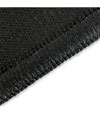
Stitched Edging
The edging of the mouse pad is stitched, basically preventing the pad from fraying or peeling. This gives it increased durability as well as being machine washable.
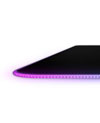
RGB Lighting
The lighting strip around the edge of the mousepad which can usually be controlled/adjusted with software. Also makes you aim better 😎
Fraying / Peeling
This refers to the edge of mousepads that don't have stitched edges. As the mousepad wears, the top layer can often start to peel away from the rest of the pad.
Connectivity
USB Passthrough
The mousepad has USB ports for other devices to be plugged into. Often requires more than one USB port in order to pass the USB through to the PC.


